
World News • Emmanuel Onyemaechi • 14 April, 2026
» Updated 11 hours ago
U.S. Naval Blockade of Iranian Ports Takes Effect
49 Views
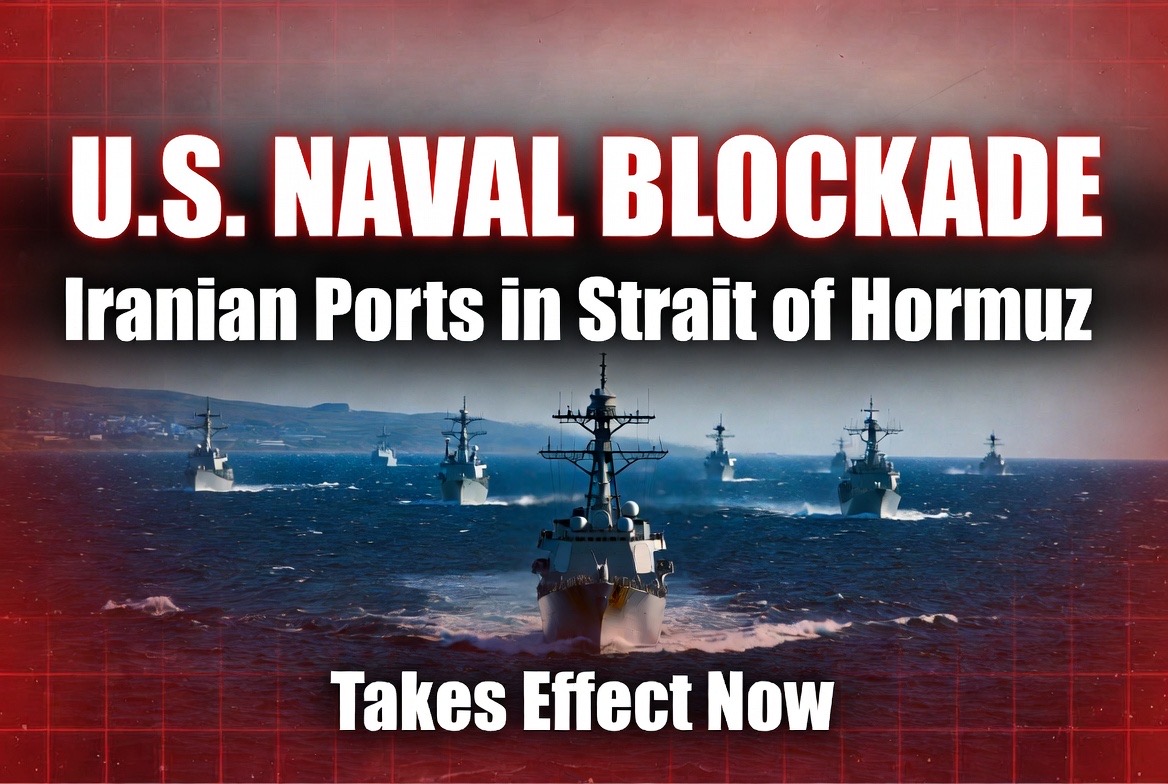
Tensions in the vital Strait of Hormuz escalated sharply over the past three days as the United States imposed a naval blockade on Iranian ports following the collapse of ceasefire negotiations with Iran, while limited commercial shipping — including Chinese-linked tankers — continued to navigate the waterway with mixed results.
April 11: U.S. Warships Enter the Strait for Mine-Clearing Operations
On Saturday, two U.S. Navy guided-missile destroyers — the USS Frank E. Petersen Jr. (DDG 121) and USS Michael Murphy (DDG 112) — transited the Strait of Hormuz from the Gulf of Oman into the Persian Gulf, marking the first such U.S. warship passage since the outbreak of the U.S.-Iran conflict in late February.
U.S. Central Command (CENTCOM) described the mission as the initial phase of efforts to clear Iranian-laid mines and establish a "new safe passage" for commercial traffic. During the operation, the vessels destroyed an approaching Iranian surveillance drone. Iran denied the transit occurred and accused the U.S. of violating any existing ceasefire understandings.
In a notable uptick in activity, three supertankers successfully exited the Gulf that day: the Greek-flagged Serifos and two Chinese-flagged very large crude carriers, Cospearl Lake (laden with Iraqi oil) and He Rong Hai (carrying Saudi crude). Both Chinese vessels were chartered by Sinopec's trading arm, Unipec, highlighting Beijing's efforts to secure energy supplies despite the disruptions.
April 12–13: Trump Announces Blockade After Failed Talks in Islamabad
Peace negotiations between U.S. and Iranian delegations in Pakistan ended without agreement over the weekend, with disagreements centered on the duration of any Iranian nuclear suspension. On Sunday, President Donald Trump announced via social media that the U.S. Navy would "immediately" begin blockading ships entering or leaving the Strait of Hormuz, framing it as a response to Iran's mining of the waterway and alleged "extortion" through tolls on passing vessels.
CENTCOM clarified on Monday that the blockade, effective from 10 a.m. ET (1400 GMT) on April 13, targets all maritime traffic to and from Iranian ports and coastal areas in the Gulf and Gulf of Oman — applying to vessels of any flag. It does not aim to fully close the strait but focuses on choking off Iran's oil exports while allowing neutral transit to non-Iranian destinations. Trump warned that any Iranian warships or fast-attack boats approaching the blockade zone would be "eliminated" in a "quick and brutal" strike.
Shipping traffic slowed dramatically in anticipation. At least two tankers turned back shortly after the blockade began, according to MarineTraffic data. Iran threatened retaliation, warning of "widespread consequences" and potential escalation against ports of U.S. allies.
April 14: Blockade in Force; Limited Tanker Transits Continue
On the first full day of enforcement, the Chinese-owned tanker Rich Starry (operated by a Shanghai-based firm previously sanctioned by the U.S. for Iran-related dealings) successfully exited the Gulf through the strait — the first such departure since the blockade took effect. A third Iran-linked tanker was observed entering the Gulf. However, some vessels continued to steer clear or turn around due to uncertainty over enforcement.
China responded firmly but diplomatically, with officials urging "unimpeded" access through the strait, backing Iran's position against external interference, and calling for calm and restraint. Beijing emphasized its energy agreements with Tehran and stated that the blockade harms global interests.
Regional fallout included Saudi Arabia pressing the U.S. to lift the blockade, fearing Iranian retaliation could disrupt other routes like Bab al-Mandeb. Oil prices climbed above $100 per barrel initially but eased below that level on Tuesday amid hopes for renewed dialogue, as Trump indicated Iran had reached out expressing interest in a deal.
The situation remains highly fluid, with risks of miscalculation in the narrow chokepoint — through which roughly 20% of global oil normally flows. No direct confrontations between U.S. and Chinese vessels have been reported, though the selective nature of the blockade has created a tense environment for international shipping.
Analysts warn that sustained enforcement could further strain global energy markets, while diplomatic channels appear to remain open despite the military pressure. Further developments are expected in the coming days as both sides assess the blockade's impact.
Recently Viewed Posts
|
My FECA Experience by Miracle Onyebuchim 114 views |

Most Read Posts




Latest Updates

FECA Nigeria Okigwe Chapter Unveils All Secondary School Summit 2026
- April 17, 2026

FECA Nigeria Rivers Zone Announces High Calling Conference 2026!
- April 17, 2026
Tony Elumelu Pens Heartfelt Tribute to Aliko Dangote
- April 16, 2026
Tony Elumelu Pens Heartfelt Tribute to Aliko Dangote
- April 16, 2026
Lookman Strikes Atleti into Semi-Final in Champions League
- April 15, 2026Recent Events and Flyers

4 hours ago

4 days ago

5 hours ago

9 hours ago

Video