
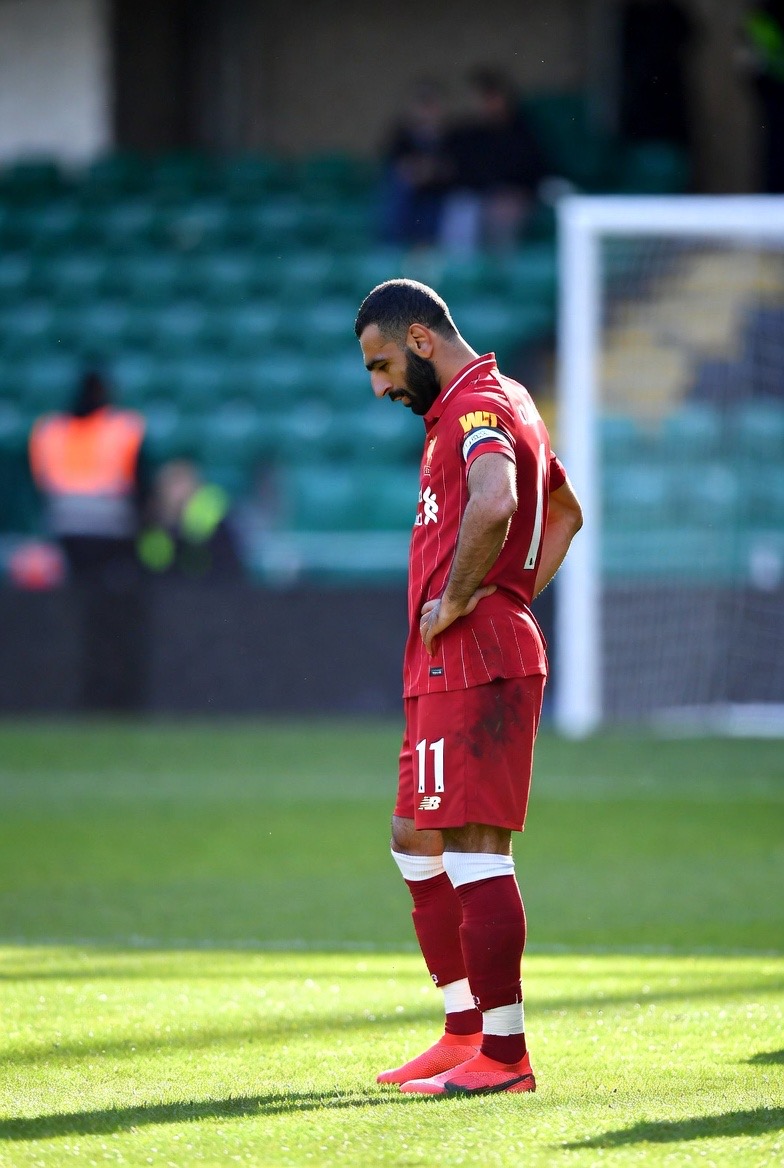
 | What is Happening to M. Salah? From Penalty King to Bench Dilemma |
World News • Emmanuel Onyemaechi • 4 March, 2026
» Updated -11 seconds ago
The Hour-by-Hour Saga of America/Israelis War on Iran
272 Views
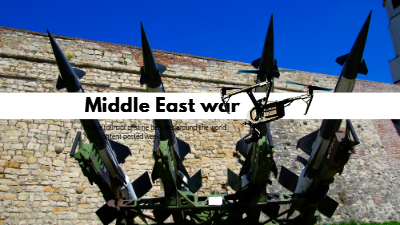
The war that could end civilization began quietly on Saturday morning, February 28, 2026—a regular Iranian workday with government clerks sipping tea and nuclear scientists calibrating centrifuges at Natanz. At 9:45 a.m. local time, the world changed forever. Israeli F-35I Adir stealth fighters screamed over central Iran while US B-2 Spirits and F-22 Raptors executed the most devastating airstrike barrage in history. Operation Roaring Lion and Operation Epic Fury targeted everything: Natanz's 12,000 uranium-enriching centrifuges collapsed into rubble, Fordow's mountain bunker imploded under bunker-busters, IRGC Quds Force headquarters in Tehran vaporized alongside missile factories in Kermanshah and radar arrays across Isfahan. But the true shockwave hit when Fars News confirmed the unthinkable: Supreme Leader Ali Khamenei, convening emergency meetings at his Parchin residence with 14 top generals and family members, lay dead—assassinated in a decapitation strike of surgical precision. Iran closed its airspace as 180 Fateh-110 ballistic missiles arced toward Tel Aviv at 08:00 GMT. Israel's Arrow 3 and Iron Dome systems turned the morning sky into a fireworks display of intercepts, though debris wounded five civilians. From Mar-a-Lago, President Trump declared victory: "Iran's nuclear nightmare ends today—permanently." Iranian Red Crescent ambulances raced through Tehran as the first casualty reports trickled in: 201 dead across 24 provinces, 747 wounded. Oil tankers off Hormuz received chilling VHF warnings: "All passage prohibited."
That retaliation defined Day Two. As Tehran declared 40 days of national mourning for Khamenei, the streets filled with confusion—some genuine grief, others opportunistic chants of revolution. By 06:00 GMT on February 29, Ali Larijani, Iran's Supreme National Security Council secretary, announced interim leadership formation while the Assembly of Experts scrambled for a successor. Iran didn't wait. At 08:00 GMT, the IRGC unleashed hell: 200+ ballistic missiles and suicide drones targeted America's crown jewels—Al Udeid Air Base in Qatar housing 10,000 US troops, Al Dhafra in the UAE, and Israel's Nevatim airbase. IRGC claimed direct hits on the USS Abraham Lincoln carrier group; the Pentagon admitted three American servicemen killed in the war's first US blood, though exact locations stayed classified. Israel hit back harder, obliterating Tehran's S-400 air defenses in massive airstrikes that left Iranian skies naked. B-52 Stratofortresses from Diego Garcia turned Bandar Abbas naval base into an underwater graveyard, sinking 47 warships and patrol boats by 14:50 GMT. Oil prices rocketed to $140 per barrel as 17 supertankers hesitated at Hormuz's mouth, their captains weighing blockade warnings against billion-dollar cargos. Russia and China denounced the strikes as "imperialist crimes against humanity." Europe canceled all Mideast-bound flights while Spain controversially grounded US refueling tankers from Rota and Morón bases—a diplomatic slap that ignited Trump's trade war fury. By nightfall, Iran's death toll surpassed 500 as succession chaos gripped Tehran, with whispers of Majlis parliament dissolution spreading through panicked WhatsApp groups.wikipedia+1
Day Three brought economic apocalypse. On March 1 at 01:30 GMT, Iranian state media confirmed what many suspected: Khamenei's assassination triggered regime paralysis. Iran made its boldest move, sealing the Strait of Hormuz completely—minesweepers and fast-attack boats blockaded the 30-kilometer chokepoint carrying 25% of global oil. Twenty-two supertankers, loaded with Saudi, Iraqi, and Kuwaiti crude, sat trapped as Brent crude spiked to $160 per barrel, sparking gas lines from Texas to Tokyo. Hezbollah escalated from Lebanon, barraging Israel's Galilee with 3,000 rockets that forced 200,000 into shelters, while Yemen's Houthis sank an Eilat-bound tanker in the Red Sea. US Marines launched amphibious assaults on Hormuz islands, clashing with IRGC speedboats in firefights that lit the dawn. Khamenei's state funeral dissolved into tragedy—20,000 mourners in Tehran clashed with protesters chanting "Death to America," leaving 87 dead in street battles. Rioters stormed Evin Prison, freeing 3,000 political detainees in chaotic scenes evoking 1979's Islamic Revolution. CENTCOM tallied 1,247 Iranian military dead from 400+ airstrikes. Jordan intercepted 30 Iranian drones over Amman while the EU declared "maximum continental emergency," chartering flights from Tel Aviv. Trump's words grew apocalyptic: "The Iranian regime is collapsing from within—its people deserve freedom." Global markets shed 7% in the worst single-day plunge since 2008.aa+2
The inferno spread regionally by Day Four. March 2 dawned with IRGC suicide drones piercing Gulf defenses at 04:30 GMT, slamming the US Embassy in Dubai where 18 diplomats perished in flames, followed by strikes on Bahrain's Naval Base wounding 27 sailors. Hamas joined from Gaza, rocketing Israel's southern border as Israeli Merkava tanks rolled into southern Lebanon toward the Litani River, systematically demolishing Hezbollah's Dahiyeh headquarters in Beirut. US F-22 Raptors shredded 78 Iranian Shahed-136 drones over Iraq bound for Al Asad Airbase. Qatar stunned the world by arresting 23 IRGC sleeper agents, exposing Tehran's infiltration of Gulf monarchies. France rushed its nuclear carrier Charles de Gaulle toward Cyprus with 2,000 marines while Israeli jets hammered Tehran and Sanandaj military sites. Iran's Red Crescent updated to 555 confirmed dead as youth riots swelled to 42,000 in the capital—IRGC troops fired live rounds into crowds, killing 89 more. Oil breached $178 per barrel; Wall Street halted trading amid 7% crashes. Trump convened a secure video war council with Netanyahu as Berlin floated frantic ceasefire whispers, quickly drowned by fresh missile salvos.
Day Five pushed everything to the brink. At 02:15 GMT on March 3, IRGC hypersonic Fattah-1 missiles finally drew true American blood, striking the US Embassy annex in Doha and Al Asad base in Iraq—bringing US fatalities to 43, the heaviest toll since 2004's Fallujah. Israel confirmed killing IRGC supreme commander Hossein Salami in a pinpoint Fordow bunker strike, obliterating Iran's last nuclear enrichment hopes. Hormuz erupted in naval slaughter: US Tomahawks sank two Iranian frigates, but the USS Thomas Hudner destroyer took heavy damage with 214 sailors missing amid tanker infernos. Tehran collapsed into anarchy—78,000 protesters seized state television, broadcasting anti-regime manifestos to a stunned world. Russia airlifted S-400 missile defenses to Isfahan under darkness while China's PLAN carrier Liaoning steamed into the Gulf of Oman, signaling BRICS military backing. Evacuations became biblical: EU airlifts pulled 127,000 citizens through Cyprus and Amman amid tearful Heathrow reunions; Britain's Royal Navy fished 4,200 from Beirut amid drone swarms. Oil closed at $192 per barrel, locking in global recession with diesel rationing across Europe. Trump addressed America at dusk: "Total victory draws near—Iran's oppressors fall" as reported by the Al Jazeera News Agency.
Five days reshaped history: 5,823 confirmed dead, 1,200+ airstrikes expending 28,000 munitions, 18 nations entangled, $3.1 trillion in economic carnage. Khamenei's void fractured the IRGC as Tehran flirted with revolution or Russian occupation. With Hormuz strangled and nuclear ghosts exorcised, Day Six dawned on a world asking: ceasefire or Armageddon?
Recently Viewed Posts


Most Read Posts



Latest Updates


5 QUESTIONS THAT HELPS YOU PREPARE FOR YOUR SOULMATE
- April 26, 2026
5 QUESTIONS THAT HELPS YOU PREPARE FOR YOUR SOULMATE
- April 26, 2026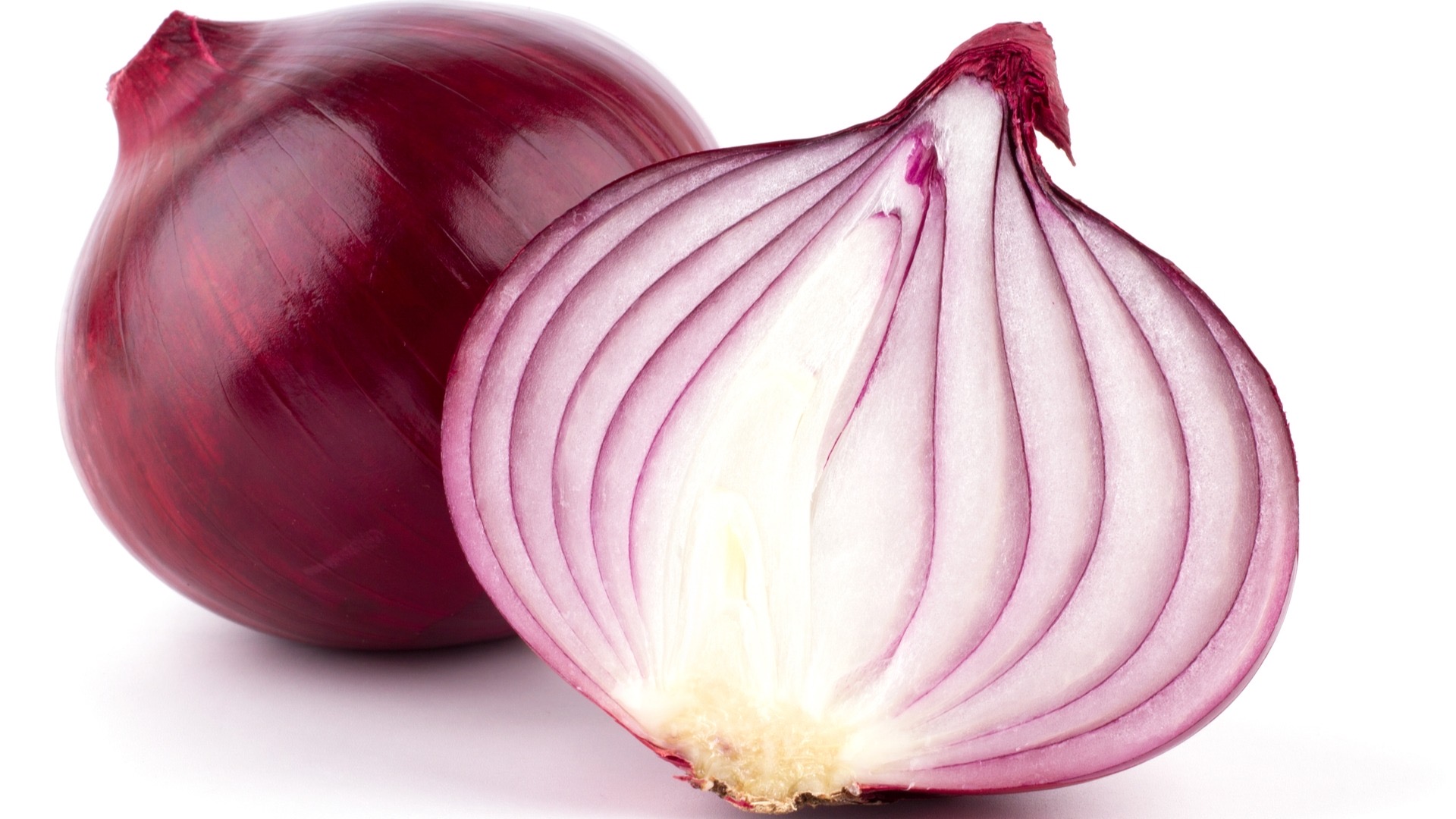
32 POWERFUL USES OF ONION
- April 26, 2026

Recent Events and Flyers

2 days ago
2 weeks ago

1 week ago

1 week ago

Video