
World News • Emmanuel Onyemaechi • 17 April, 2026
» Updated -5013 seconds ago
Lebanese Jubilation Erupts as 10-Day Ceasefire with Israel Takes Effect
14 Views
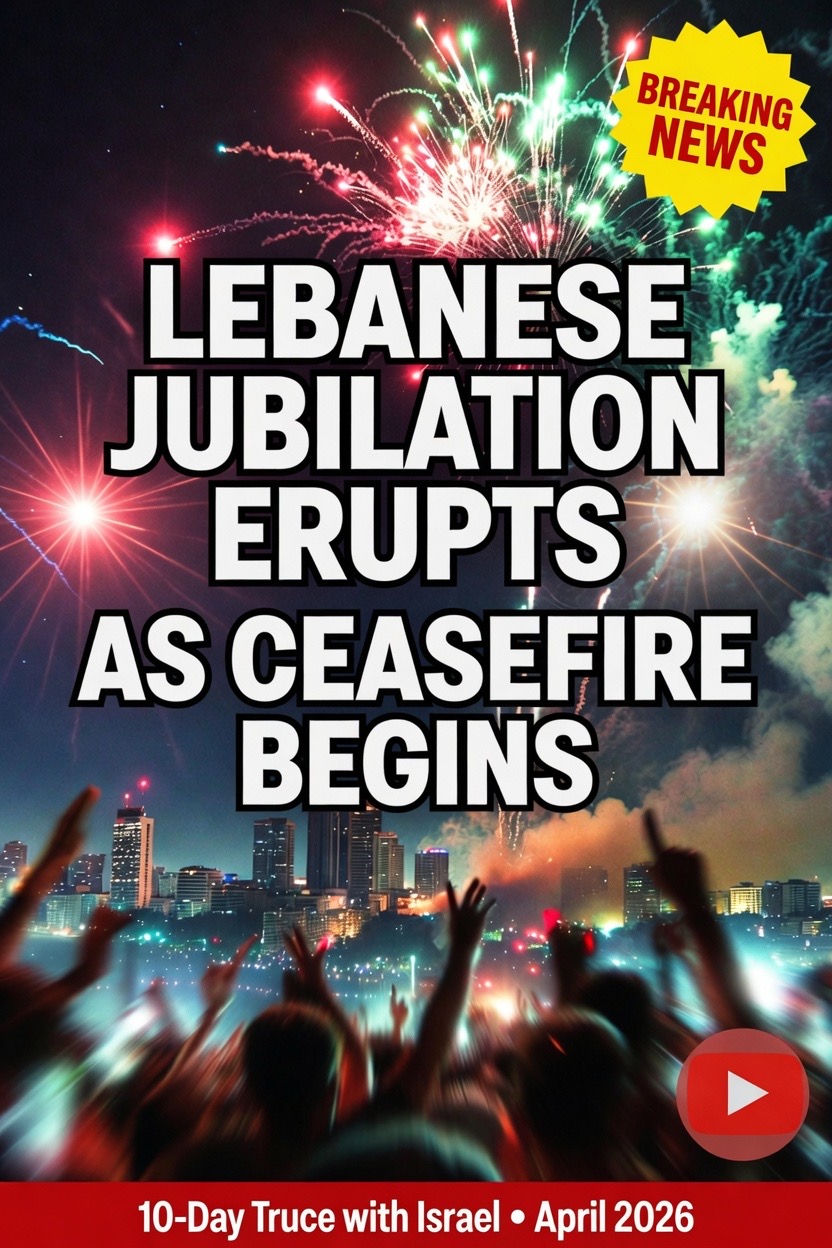
Scenes of celebration swept across Lebanon late Thursday night and into Friday as a U.S.-brokered 10-day ceasefire between Lebanon and Israel came into force at midnight local time, offering a temporary halt to weeks of intense fighting that has devastated parts of the country.
Residents in Beirut, southern Lebanon, and cities like Sidon took to the streets in jubilation, firing celebratory gunfire into the air, launching fireworks and rockets, honking car horns, and flashing victory signs. In parts of the capital, tracer bullets lit up the night sky for nearly half an hour as the clock struck midnight, marking the end of Israeli strikes that had continued until the truce began. Crowds cheered and drove toward southern villages, with many displaced families beginning the hopeful journey home despite lingering caution.
The ceasefire, announced by U.S. President Donald Trump, was agreed upon by Lebanese President Joseph Aoun and Israeli Prime Minister Benjamin Netanyahu. It aims to pause hostilities involving Israel and the Iran-backed Hezbollah group, paving the way for negotiations toward a more permanent security and peace arrangement. Trump described the deal as a step toward broader regional peace, noting that Israeli and Lebanese leaders are expected to hold talks soon, with possible extensions of the truce by mutual agreement.
Relief Mixed with Wariness
While many Lebanese welcomed the pause after intense Israeli airstrikes that killed thousands and displaced over a million people, displaced residents expressed wariness about returning to their homes. Israeli forces had bombed southern Lebanon right up until the midnight deadline, and concerns remain over Israeli troops remaining in certain buffer zones in the south. Hezbollah areas in Beirut’s southern suburbs saw particularly vibrant street celebrations, with some framing the truce as a victory that forced concessions from Israel.
Lebanese Prime Minister Nawaf Salam welcomed the agreement, calling it a key objective in recent talks. UN Secretary-General Antonio Guterres urged all parties to fully respect the ceasefire to allow humanitarian access and progress toward lasting peace. Iran’s Foreign Ministry also welcomed the truce, viewing it as aligned with the broader U.S.-Iran ceasefire framework.
Context of the Conflict
The 10-day ceasefire comes amid a wider regional escalation tied to the U.S.-Israel actions against Iran. Fighting between Israel and Hezbollah had intensified dramatically in recent weeks, with devastating impacts on Lebanese civilians, infrastructure, and daily life. Reports indicate nearly 2,200 people killed in Lebanon from Israeli strikes during this phase of the conflict.
Analysts note deep underlying disputes persist, including Israel’s insistence on not fully withdrawing from southern Lebanon and demands for Hezbollah’s disarmament—issues that could challenge the truce’s longevity. Despite these tensions, the immediate cessation of airstrikes brought visible relief and hope to war-weary Lebanese communities.
As celebrations continue in Beirut and southern towns, many residents are now focusing on rebuilding and reuniting with family. The coming days will test whether this temporary pause can evolve into sustained dialogue and a durable end to the violence.
Recently Viewed Posts

Most Read Posts




Latest Updates

FECA Nigeria Okigwe Chapter Unveils All Secondary School Summit 2026
- April 17, 2026
FECA Nigeria Rivers Zone Announces High Calling Conference 2026!
- April 17, 2026
Tony Elumelu Pens Heartfelt Tribute to Aliko Dangote
- April 16, 2026
Tony Elumelu Pens Heartfelt Tribute to Aliko Dangote
- April 16, 2026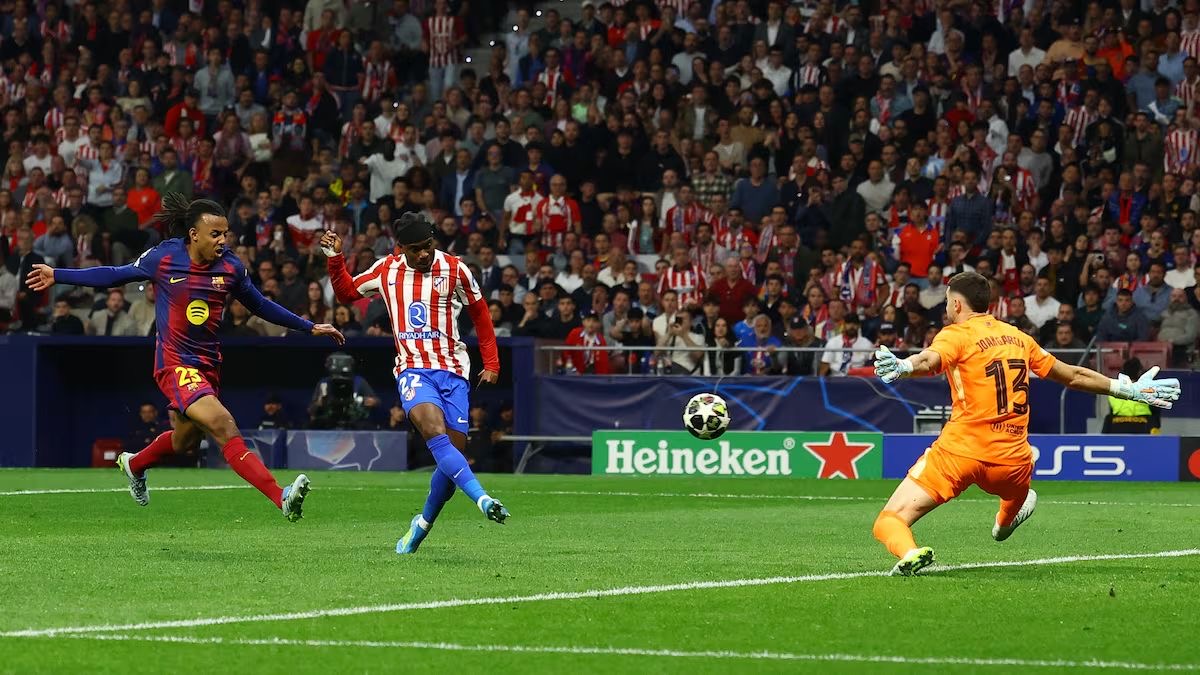
Lookman Strikes Atleti into Semi-Final in Champions League
- April 15, 2026Recent Events and Flyers

1 hour ago
4 days ago
1 hour ago

6 hours ago

Video