
FECA News • Emmanuel Onyemaechi • 12 March, 2026
» Updated -6805 seconds ago
FECA Nigeria Dress Code: How to Dress as a Leader
142 Views

FECA leadership—within the Federation of Colleges’ Ex-Students’ Christian Association—is a divine privilege and weighty calling, demanding excellence in every detail, including appearance. If you're stepping into a role, mastering the dress code equips you to serve effectively, project authority, and honor the traditions set by FECA's founding fathers since its 1990 inception in Calabar. This formal standard isn't arbitrary; it fosters discipline, unity, and a professional aura that distinguishes FECA gatherings amid Nigeria's casual culture, signaling to members, guests, and communities that leaders embody the motto: "To redeem the desolation of our land and generation."
Corporate Attire: The Unchanging Mandate
Every FECA meeting mandates corporate dress for leaders—always, without exception. This isn't negotiable, as it's woven into the organization's DNA, unchanged across decades and tenures from zonal chapters like Nsukka or Enugu to national conventions. Corporate wear elevates the atmosphere, promoting focus on spiritual warfare, strategic planning, and discipleship over distractions. It mirrors biblical calls to holiness and readiness (e.g., Ephesians 6:14's armor), visually uniting Princes, Kings, Coordinators, and Secretaries under one polished banner. During high-stakes Congress periods—pivotal for elections, handovers like Enugu's 2020/2022 transitions, and vision casting—constitutional leaders must exemplify this fully, tags prominently displayed.
Men's Dress Code: Precision and Polish
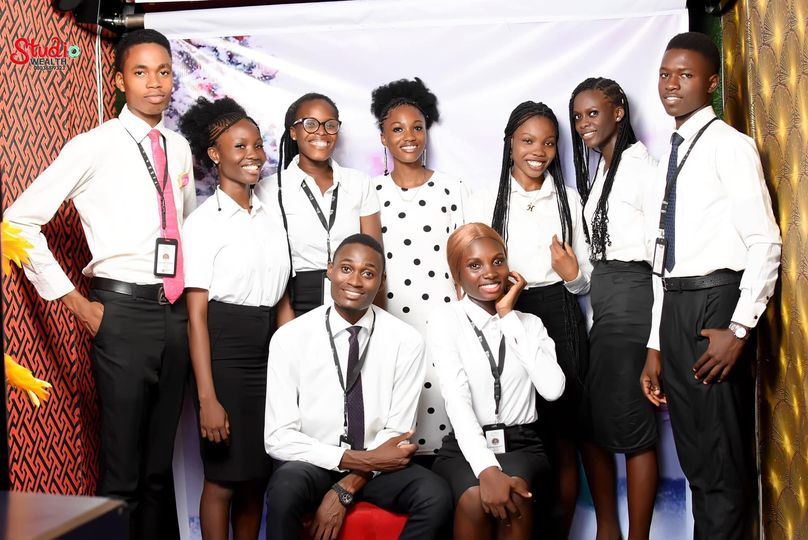
Men can wear tailored suit (navy is wardrobe essential for rotation), crisp white long-sleeve shirt tucked impeccably, and a conservative tie—ideally striped or subtly patterned for sophistication without flashiness. Pair with wing-tip dress shoes, polished to a shine, black or brown matching the belt. Name tags are non-optional for executives (e.g., National General Secretary like Timothy Igbinomwanhia or Zonal Coordinators), clipped visibly. Hair must be neatly groomed—short, trimmed, no extremes—complementing a clean-shaven or well-kept beard face. This ensemble, as seen in iconic photos from national conventions, commands respect: think sharp-suited delegates in worship, deliberations, or outreaches, projecting Kingdom authority.
Women's Dress Code: Elegance and Modesty
Ladies embrace formal corporate attire: tailored skirts or trouser suits in neutral tones (navy, black, grey), paired with modest blouses—long sleeves preferred, high necklines to uphold FECA's purity ethos. Sheath dresses or A-line skirts (knee-length minimum) work seamlessly, always with stockings or bare legs only if culturally apt. Footwear: closed-toe heels or flats, scuff-free. Minimal jewelry, natural makeup, hair in neat buns, weaves, or low styles—no wigs overwhelming the face. Tags for leaders like Zonal Secretaries (e.g., Ugwu Nora) ensure identification. This mirrors Jewels' grace in Nsukka's Brothers Forum, blending femininity with fortitude.
Accessibility and Practical Tips
Not everyone starts with a full corporate wardrobe—life in Nigeria brings financial realities—but leaders prioritize acquiring 1-2 versatile sets upon ascension. For those building up: opt for ironed shirts (tucked), belted trousers, clean shoes, and neat hair—effort shows commitment. Thrift markets, tailoring locals, or chapter funds can bridge gaps. Rotate outfits to avoid wear; dry-clean suits post-events. Congress demands peak compliance—no casual deviations—setting the tone for zonal transitions or national handovers.
Why It Matters: Legacy of Distinction
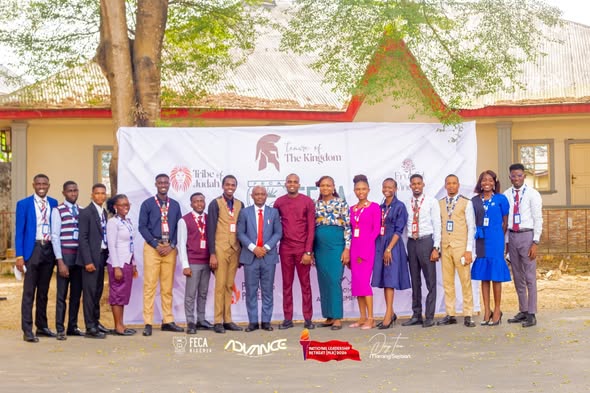
This dress code transcends fashion; it's spiritual strategy. Formal attire curbs complacency, inspires youth in school outreaches, and mirrors global Christian leadership norms, from altar calls at conventions to empowerment seminars. Pictures from FECA events—like sharp lines of suited Princes and elegant Jewels—evoke awe, drawing souls to the vision ignited by 10 Calabar girls under Brother Ubong Jesse Daniel. In 2026's dynamic Nigeria, it positions FECAites as countercultural elites: redeemed, refined, ready. To God be the glory for traditions that endure, shaping leaders who don't just dress the part—they live it.

Recently Viewed Posts
Most Read Posts

Latest Updates

5 QUESTIONS THAT HELPS YOU PREPARE FOR YOUR SOULMATE
- April 26, 2026
5 QUESTIONS THAT HELPS YOU PREPARE FOR YOUR SOULMATE
- April 26, 2026
32 POWERFUL USES OF ONION
- April 26, 2026
Recent Events and Flyers
2 days ago
2 weeks ago
1 week ago

1 week ago

Video